

Introduction
If you have ever scrolled through food delivery apps in Singapore, perhaps deciding between a new hawker stall on GrabFood and a familiar chain café, you probably felt more comfortable with the one that had a clean, modern logo instead of a blurry, half-cut design. That instinct is not random. It is the quiet power of logo and brand identity at work.
A logo is often the first handshake between a business and its customer. Yet trust does not come from a logo alone. It is strengthened by the wider corporate identity, from the tone used on social media to the design of the outlets and even the packaging customers hold in their hands. Together, these elements quietly suggest reliability and trust.
In Singapore, where customers can switch brands with a single tap, trust is often the deciding factor that keeps people loyal.
The Connection Between Logos, Brand Identity, and Trust
A logo functions like a handshake. It is immediate and revealing. Brand identity design is the full conversation that follows. It includes the visuals, the language, and the mood that make a business distinct.
When these elements align neatly, customers feel a sense of familiarity. And familiarity builds comfort. This is why professional business logo design and visual branding are not just decorative choices. They are business decisions that directly affect customer trust.
Imagine two bubble tea shops in Bugis. One displays a crisp, memorable logo on a well-lit sign. The other tapes faded print-outs to its door. Most people instinctively choose the first because it feels safer.
What Exactly Is Brand Identity?
A logo alone is not a brand identity.
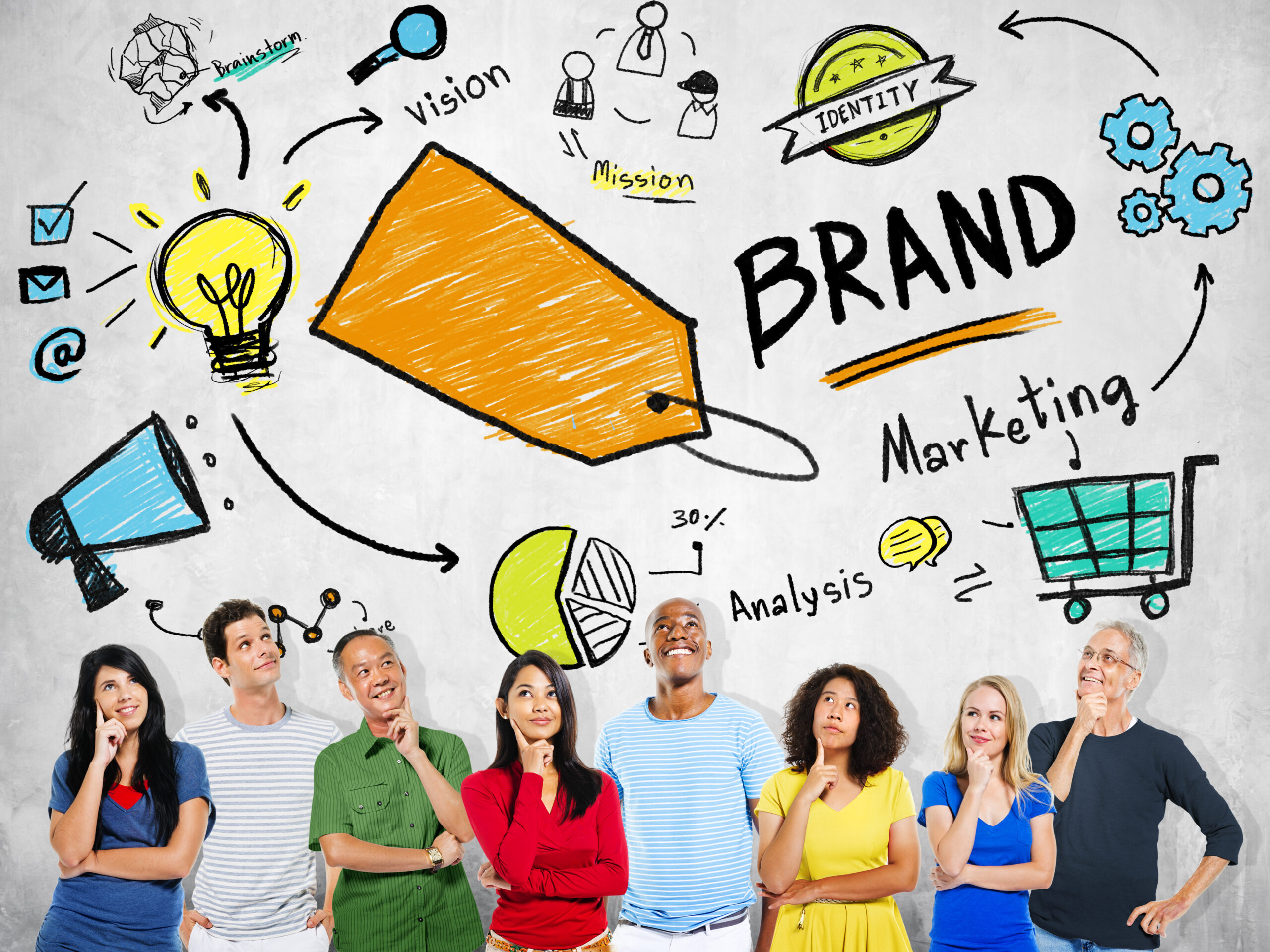
A full corporate identity design is a combination of elements that together tell a story. The business logo design becomes the face of the brand. The chosen color palette shapes perception, whether bold reds for energy or muted blues for calm. Typography reflects tone, from playful fonts for a youth-focused startup to serious fonts for a legal firm. Messaging style reveals personality, whether approachable, quirky, or authoritative. Visual style covers everything from photography to layouts and packaging.
When all these pieces remain consistent, the result is a clear corporate identity. Singapore customers notice when things align. A mismatched Facebook page, Shopee store, and retail outlet feel untrustworthy, while a unified presence strengthens visual identity in marketing and creates instant recognition.
Why Customers Trust Strong Brand Identity
Customers feel comfortable when they recognise a brand. That is why brand recognition strategies are so effective. Seeing the same logo and brand identity across MRT ads, Instagram posts, and physical stores makes a brand the safe option.
Professionalism also inspires confidence. A sharp corporate branding strategy shows commitment. In Singapore, consumers often believe that a company that invests in its image also invests in its products or services. Over time, a polished brand image design quietly builds trust.
Emotional connections are equally important. Colors and fonts influence feelings. Local banks use blue to signal security. Green cafés hint at health and sustainability. This is logo psychology, and when customers feel aligned with a brand’s message, they often develop brand loyalty.
Consistency removes doubt. If an Instagram profile looks modern but the website feels outdated, customers question stability. On the other hand, consistent branding across platforms reassures them that the business is reliable everywhere.
Corporate Identity as the Foundation of Trust
Corporate identity goes beyond visuals. It appears in the way emails are answered, how receipts are printed, and how delivery packaging looks. Every detail contributes to trust or undermines it.
Think about a friend who always arrives on time, dresses neatly, and speaks respectfully. You are more likely to trust them than someone unpredictable. Businesses operate the same way. A brand that maintains branding consistency is perceived as reliable and dependable.
Real-World Examples
Apple is a global case study. From its bitten-apple logo to the sleek Orchard Road Apple Store, every detail projects consistency and quality. Customers here trust new products even before testing them.
Nike’s swoosh is more than a graphic. It symbolises movement, performance, and motivation. It reflects brand identity and trust in a single mark.
Local examples are just as telling. Old Chang Kee’s yellow logo and consistent outlet design make it instantly recognisable, whether in Changi Airport or a neighbourhood mall. That is smart brand image design in action.
How to Build a Trustworthy Logo and Brand Identity
The first step is knowing your audience. A youthful startup in Singapore may embrace bright colours, while a law firm is more likely to use navy or grey. That is practical brand identity design.
The second step is simplicity. Complicated logos confuse. Think of BreadTalk, NTUC FairPrice, or DBS. These straightforward business logo design choices stick in memory.
The third step is consistency. Everything from invoices to TikTok ads should look and feel the same. Teams can achieve this with clear brand guidelines that ensure branding consistency.
The fourth step is to show values. If sustainability matters, it should be reflected in eco-friendly packaging and visible in campaigns. Over time, this builds a positive brand image and reputation.
Finally, refresh but do not reinvent. Singaporeans quickly notice when a brand feels outdated. Subtle updates every few years keep a corporate identity design modern without losing recognition.
FAQs
1. What makes a logo trustworthy?
A trustworthy logo is simple, professional, and aligned with brand values. Simplicity creates confidence in trust in marketing.
2. How does corporate identity affect customer trust?
A strong corporate identity ensures consistent experiences across websites, social media, and stores. This consistency builds credibility.
3. Can small businesses benefit from strong brand identity?
Yes. Branding for small businesses in Singapore helps them compete with larger players. A polished design makes even new businesses appear established.
4. Can a bad logo hurt customer trust?
Yes. Can a bad logo hurt customer trust? A poorly designed logo or inconsistent branding suggests carelessness. Customers often assume the product or service might be equally careless.
5. How often should businesses refresh brand identity?
There is no fixed rule. A general guideline is every few years. The key question is how often should businesses refresh brand identity without losing recognition. Small, thoughtful updates usually work better than complete overhauls.
Conclusion
Building trust takes time, but it often begins with something as simple as your logo and brand identity.
When a corporate identity design is clear, consistent, and reflective of a company’s values, customers not only notice but also believe. From Orchard Road flagships to hawker stalls in Toa Payoh, the same principle applies. Trust grows through clarity, emotion, and repetition.
In Singapore’s crowded market, design is not just about looking attractive. It is a strategy to build confidence. Brands that get this right will not just attract customers once. They will keep them coming back.