

Picture this: a beverage brand spends millions on product development, creates a brilliant formula, nails the distribution, and finally lands a deal with a nationwide retail chain. But within weeks, cartons start collapsing in transit, bottles leak, and customers complain. The result? A product recall, damaged reputation, and frustrated teams pointing fingers at each other. The product wasn’t the issue. The packaging was.
That’s why retail packaging design isn’t a detail you figure out at the last minute—it’s a strategic decision. And choosing the right packaging material is at the heart of it. A retail packaging design agency doesn’t just pick a box or a bottle; it shapes how the market perceives you, how your product travels, and how customers remember you.
Why Material Choice Isn’t Just Technical
It’s easy to dismiss packaging material as “just the container.” But ask anyone in FMCG or e-commerce: it’s one of the most influential aspects of your corporate identity.
The material speaks before the logo does. A flimsy soapbox signals “cheap,” even if the product is premium. A sleek glass bottle suggests luxury, even before the cap is opened. A compostable pouch communicates values of sustainability and responsibility.
That’s why packaging material is essentially a corporate identity service in disguise. It carries your story. It tells customers what you stand for—without a single word printed on it.
The Big Balancing Act: Function vs. Aesthetics vs. Cost
Here’s the tricky part. Packaging material choices always involve trade-offs.
-
Function: Will it protect the product through shipping, stocking, and handling?
-
Aesthetics: Will it stand out on shelves or add delight to the unboxing?
-
Cost: Can your business afford it without slashing profit margins?
For startups and SMEs, cost usually leads. They need cost-effective packaging design that still feels polished. For luxury packaging design, aesthetics come first—weight, finishes, embossing, even the “feel” of unboxing matter more than price. And for e-commerce packaging solutions, durability tends to rule—because nobody forgives a cracked serum bottle arriving in the mail.
The smartest brands don’t sacrifice one for the other. Instead, they work with a packaging design company that helps them balance all three.
Breaking Down Popular Packaging Materials
Not every product suits every material. Here’s a walk-through of the most common players—pros, cons, and when they shine.
1. Cardboard & Paperboard
The workhorse of retail packaging. Affordable, lightweight, printable, and endlessly customizable. Perfect for FMCG packaging design, packaging for small businesses, and private label packaging design.
But it has a weakness: moisture. Without coatings or laminations, cardboard can warp, tear, or weaken in humid climates.
2. Plastic
Plastic’s versatility is unmatched—it’s durable, flexible, and inexpensive. From shampoo bottles to snack pouches, plastic dominates retail shelves.
Yet, it’s also under scrutiny. Eco-conscious buyers are pushing for alternatives. Many brands now use recycled or plant-based plastics to move toward sustainable retail packaging.
3. Glass
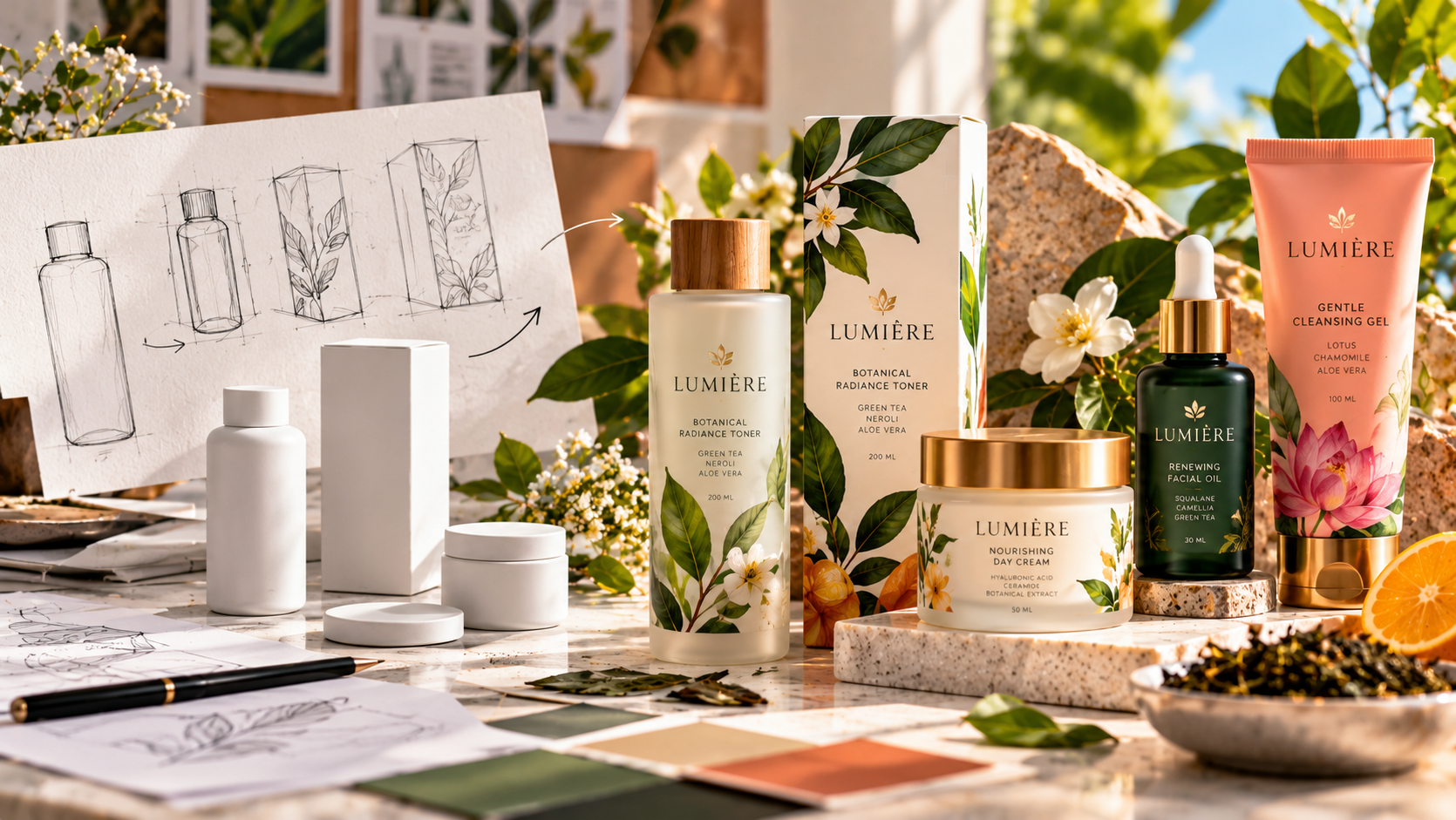
Glass is elegance personified. It communicates purity, safety, and premium value. You’ll see it in cosmetic packaging design (perfumes, serums), food and beverage packaging design (oils, juices), and even healthcare & pharma packaging design where purity is critical.
The downside? Heavy weight and high shipping costs. Not ideal for long-haul exports unless the brand can justify the expense.
4. Metal
Think tins, cans, or aluminum bottles. Metal protects products well, preserves freshness, and signals durability. Common in beverage brands, luxury candies, and corporate gifting.
The challenge: limited flexibility in shape, and higher costs compared to paperboard.
5. Eco-friendly Innovations
This is where things get interesting. Mushroom packaging, cornstarch polymers, seaweed-based wrappers—these aren’t science fiction anymore. Startups in innovative packaging for D2C brands are experimenting with such solutions to impress eco-conscious millennials.
Are these affordable? Not always. But they pay off in customer loyalty and social media buzz.
Matching Material with Industry Needs
Each industry has unique pressures, which means material choices vary.
-
FMCG packaging design: Cost-efficient, lightweight, and eye-catching. Think snack bags or cereal boxes.
-
Cosmetic packaging design: Shelf appeal is everything. Customers literally buy with their eyes. Materials need elegance and precision.
-
Food and beverage packaging design: Safety seals, freshness locks, and compliance matter most. A yogurt cup failing mid-transit is a disaster.
-
Healthcare & pharma packaging design: Compliance, sterility, tamper-proof features. Often more regulated than creative.
-
E-commerce packaging solutions: Strength and unboxing experience. Durability meets aesthetics here.
-
Packaging for export businesses: Materials that survive shipping containers, climate changes, and long storage.
Here’s the truth: professional packaging designers don’t push one-size-fits-all. They tailor material to industry pressures, distribution models, and customer expectations.
The Sustainability Imperative
Let’s pause here. Sustainability isn’t just an add-on anymore. Customers—especially Gen Z—make purchasing decisions based on whether packaging feels wasteful or responsible.
-
Kraft paper instead of shiny plastic.
-
Compostable pouches for organic snacks.
-
Glass jars with refill options.
Even affordable packaging design services now include eco-friendly tweaks. Why? Because sustainability doesn’t just help the planet; it boosts sales. It’s packaging that doubles as a brand statement.
Some creative packaging solutions even design reuse into the material—boxes that turn into storage containers, jars meant to be repurposed. That’s smart branding disguised as eco-friendliness.
What a Retail Packaging Design Agency Actually Does
Now, you may wonder: can’t a business just choose cardboard or plastic and call it a day? Not quite.
A retail packaging design agency doesn’t just hand you materials. It provides strategy. It looks at your product lifecycle, customer psychology, logistics chain, and corporate identity. Then it recommends custom retail packaging that works on every level.
Here’s what the best agencies bring:
-
Research-backed recommendations: What works for your category and audience.
-
Corporate identity service integration: Packaging consistent with your brand personality.
-
Design-meets-engineering expertise: Eye-catching packaging designs that actually protect the product.
-
Future-proofing: Advising on sustainability trends and compliance laws across regions.
They bridge creativity and practicality—so you don’t end up with something beautiful but useless, or functional but boring.
Common Mistakes to Avoid
Even established brands slip up. Some recurring mistakes:
-
Over-engineering: Overcomplicated boxes or unnecessary materials that hike costs.
-
Underestimating consumer perception: Choosing flimsy packaging that feels cheap.
-
Ignoring logistics: Selecting fragile materials without considering shipping stress.
-
Copy-paste design: Using generic packaging that kills brand differentiation.
These mistakes cost far more than they save. That’s why packaging solutions for startups and large corporations alike need expert intervention.
How Packaging Impacts Brand Growth
Think of your favorite luxury brand. You remember the scent of the store, the feel of the shopping bag, the ritual of unboxing. Packaging creates memory. And memory creates loyalty.
-
It boosts shelf appeal: A brighter box, a unique texture, or a tactile element can stop customers mid-aisle.
-
It drives sales: Shoppers often pick products that “look better” even if the content is identical.
-
It tells your story: From sustainable packaging to premium embossing, it silently communicates values.
That’s why brand identity through packaging is no longer a buzz phrase—it’s strategy.
Modern Trends in Retail Packaging
Packaging evolves with culture. What worked five years ago feels outdated today. Some trends gaining momentum:
-
Minimalism: Clean designs, muted colors, uncluttered text.
-
Smart packaging: QR codes that tell the brand story, track authenticity, or offer recipes.
-
Personalization: Limited edition packaging for festive seasons or targeted markets.
-
Reusable designs: Packaging that doubles as storage, decor, or daily-use items.
Brands investing in these trends often see higher engagement and stronger brand recall.
Wrapping Up (Pun Intended)
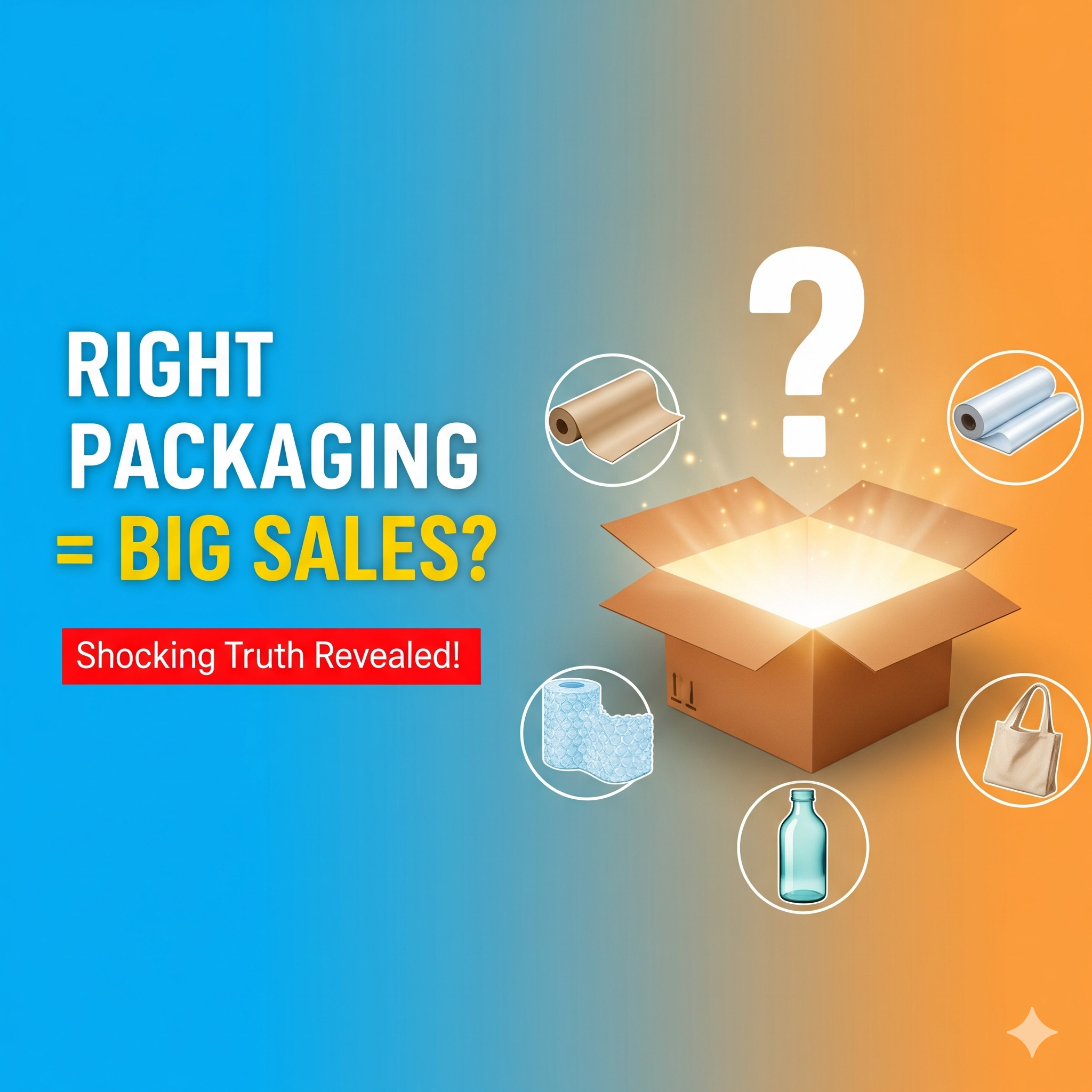
Choosing the right packaging material isn’t just about protecting your product. It’s about shaping how customers feel, think, and remember your brand. From custom packaging for e-commerce to packaging design for product launches, material decisions tie directly to growth.
Work with a retail packaging design agency that understands your audience, your logistics, and your ambitions. Because packaging isn’t decoration—it’s your first impression, your corporate identity, and sometimes, your silent salesman on the shelf.
And if you’re wondering whether it’s worth the investment, ask yourself this: would you trust a luxury perfume in a plastic pouch?